Clearance trimming around the house
Limbs cut back off the roof, gutters, siding, and driveway. This is the trimming that prevents damage, keeps the roof drying out, and stops branches rubbing shingles in wind.
Overhanging limbs cut back off the roof. Palms cleaned up without butchering them. Storm-broken branches taken down safely. We prune to keep the tree healthy, not just to make it smaller.
Most tree calls we get are the same: something is over the roof, blocking the driveway, scraping the gutters, or hanging where a storm will find it. That work is trimming, not removal. We take the problem limbs with clean cuts at the right place on the branch, leave the structure sound, and haul the brush away. The tree keeps living and the problem is gone.
What we won't do is top a tree. Topping means cutting the canopy back to stubs, and UF research is blunt about it: topped trees decay at the cut branches and trunks and can break apart more easily than trees that were pruned properly. The regrowth is weak and attached badly. Selective reduction of the canopy is the correct approach, and it's what we do. Full removal is a separate conversation, quoted on its own.
 Tree & Palm Trimming
Limbs cut back off the roof, gutters, siding, and driveway. This is the trimming that prevents damage, keeps the roof drying out, and stops branches rubbing shingles in wind.
Dead, crossing, and rubbing limbs removed. Deadwood taken out. Light canopy reduction where a tree has gotten heavy on one side. Cuts made at the branch collar, never as stubs.
Fully dead fronds and heavy fruit clusters removed so nothing drops on a car, a walkway, or a person. We don't strip green fronds and we don't hurricane-cut palms.
Hanging, cracked, and broken branches taken down after a storm, and the resulting mess cleaned up and hauled off. Hernando and Pasco get plenty of this from June through November.
Crapemyrtles, small ornamentals, and young shade trees pruned for shape and structure rather than hacked back to knuckles every winter. Good early pruning saves work for years afterward.
If a tree needs to come out entirely, tell us and we'll come look and price it separately. Removal is quoted case by case rather than sold off a menu.
We come out and look at the tree before quoting anything. Sometimes the answer is three limbs and an hour of work, not the big job the homeowner expected. We'll tell you that. We identify what needs to come off and why, agree a flat price, then do the cutting, drag out the brush, and blow the area down. Anything beyond straightforward trimming, including full removals, gets its own quote.
The feather-duster palm, stripped down to a few fronds pointing straight up, is everywhere in Florida. It's sold as storm preparation. UF/IFAS says the opposite is true. Observations after Florida hurricane seasons found that hurricane-cut palms were more likely to have their crowns snapped off by wind than palms left alone. Repeated over-pruning also shrinks leaf size and trunk diameter over time. The palm gets smaller and weaker, not tougher.
So here's how we trim palms. Only fully brown, dead fronds come off. Green fronds feed the palm, and cutting them wounds the crown and opens the way for disease. The absolute limit is never pruning past the nine and three o'clock line, and even that is a limit rather than a target. Heavy fruit stalks can come off without harming the palm. We don't use climbing spikes, which damage the trunk permanently.
Half-dead or yellowing fronds often signal a nutrient deficiency. Cutting them off early removes the evidence and takes more green tissue from a palm that's already short on food. Better to diagnose first.
Royal, foxtail, and Christmas palms have a crownshaft and drop their old fronds on their own, roughly monthly. If you have those, you often don't need us to trim them at all.
UF points to canopy reduction and structural pruning as the proven ways to reduce storm damage. Doing that work before hurricane season starts is far better than cutting a tree back to stubs in June.
Trevor does a great job! Always professional, friendly, communicative, priced right, and takes pride in a job well done! I recommend him highly!Verified customer review, Facebook Read our reviews on Facebook
 01
01
Routine mowing on a weekly, bi-weekly, or monthly schedule. Crisp edges along drives and walks, string trimming around beds and fences, and every hard surface blown clean before we leave. Free estimate, flat price agreed before we start.
See the details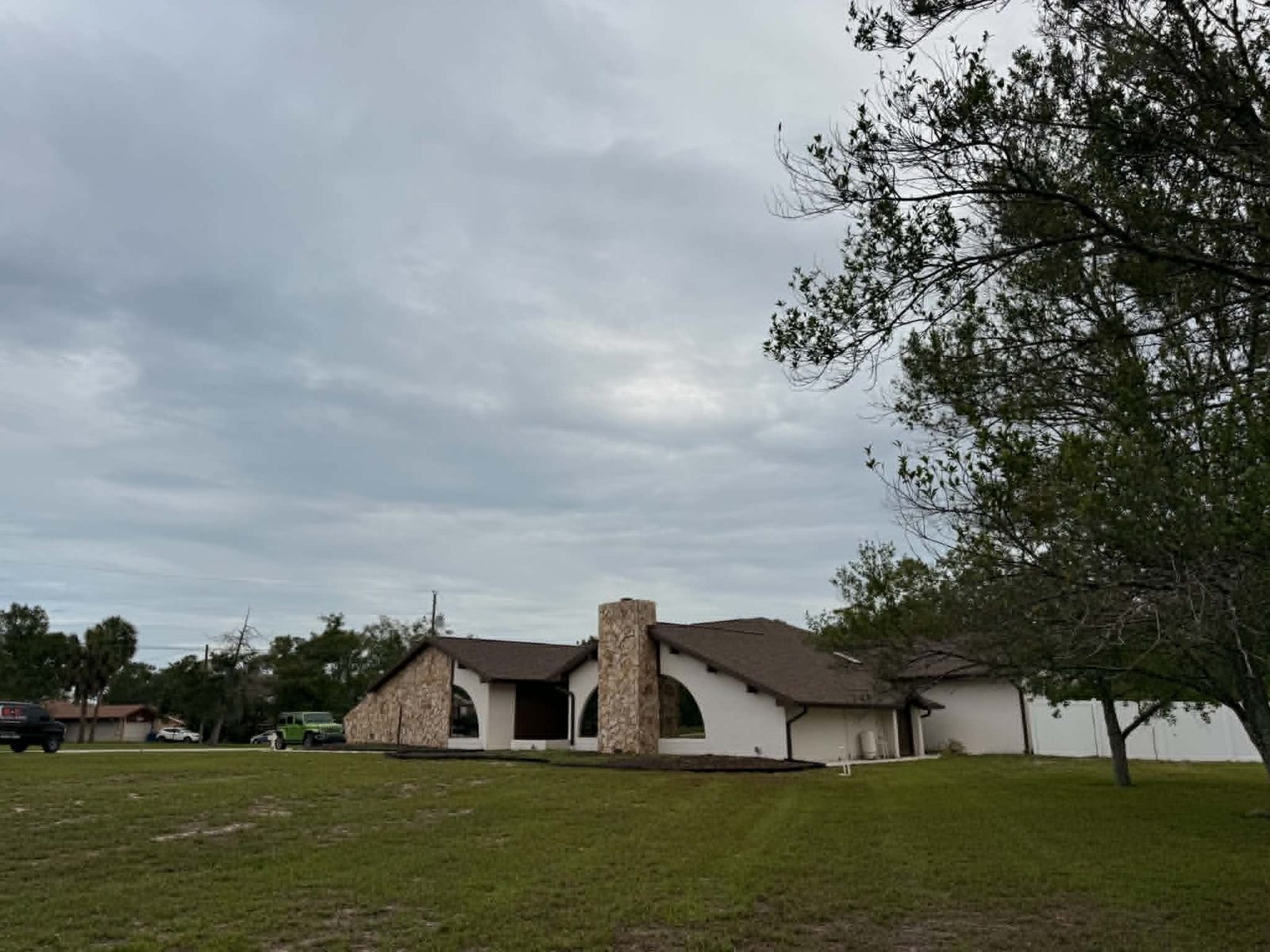 02
02
Sod replacement and full sod installation, plus landscape refreshes: bed reshaping, edging, plant and shrub installation, and mulch. We remove the old material, prep the soil, and lay sod tight so it roots instead of drying out at the seams. Free estimate.
See the details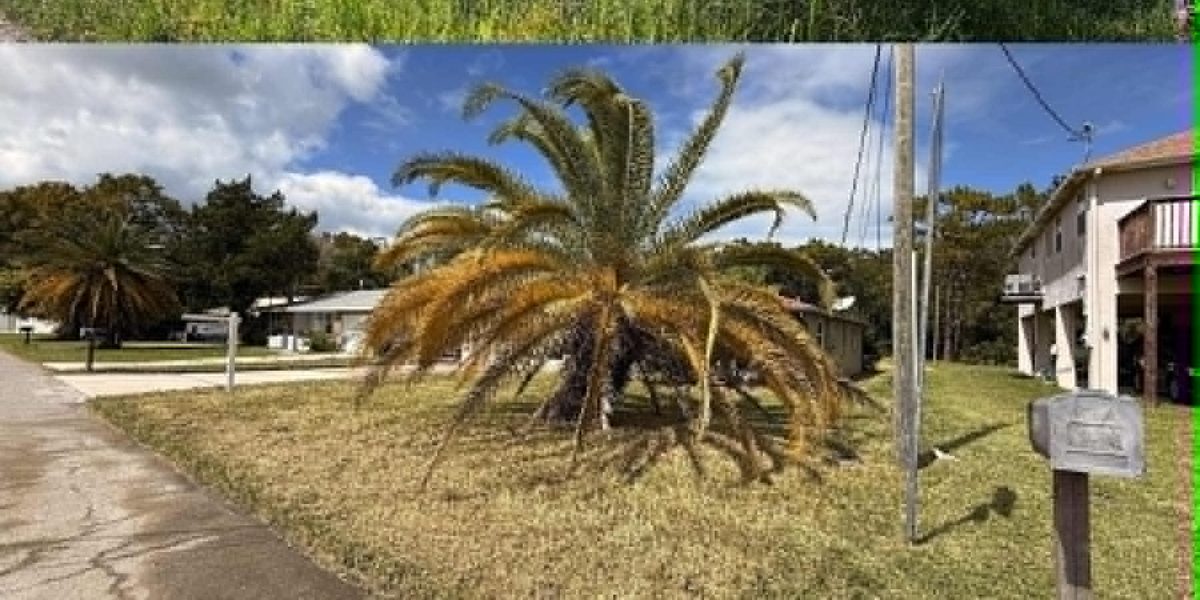 03
03
Clean-outs for yards that have gotten away from you. Overgrown lot clearing, brush and vine removal, seasonal clean-ups, storm debris, and old mulch replaced with fresh. We cut it, drag it, load it, and haul it off, then blow the whole area clean.
See the detailsTree removal is offered by quote, and it's handled separately from our trimming work. Call or text us, describe the tree and what's around it, and we'll come look. Some removals we'll take on and some we'll refer out, and we'd rather tell you that honestly than start a job that isn't right for us. Trimming and pruning is what we do day to day.
For palms, there's no single best time. UF/IFAS says you can prune them whenever it's convenient as long as you follow the rules on what comes off. For shade trees, heavier structural work is better done well ahead of storm season so cuts have time to seal. Dead, broken, or hazardous limbs get removed whenever you notice them, any time of year.
We'll be straight with you at the estimate. Most residential trimming is well within what we do: limbs over the roof, driveway and walkway clearance, palms, and storm damage. If a job needs a certified climbing arborist, a bucket truck, or any work near power lines, we'll tell you that instead of taking it on. Never touch anything near a power line yourself either.
We haul it. Cut material gets dragged out, loaded, and taken away, and the area gets blown clean before we leave. You don't end up with a pile by the road waiting on county pickup. If you'd rather keep the wood for a fire pit, tell us and we'll stack it somewhere out of the way instead.
Proper trimming doesn't. Removing dead, damaged, or crossing limbs with clean cuts at the branch collar is normal, healthy maintenance. What hurts trees is topping, stub cuts, and stripping too much live canopy at once. Same principle with palms: taking green fronds off costs the plant food and opens wounds. We prune conservatively for that reason, not to pad the invoice.
Call or text Trevor at 727-326-2276. We'll come look at the tree, tell you what actually needs cutting, and give you a flat price.